Reread Review – because sometimes a book hits even harder the second time
Alright besties, gather ’round the bibliotheque firepit because I’m about to take you back to my origin story as a Romanov Girlie™. If you ever wanted to know, “Ashley, why do you know an unreasonable amount about long-dead Russian royalty?” Well. Let me set the scene.
MY INTRODUCTION TO THE ROMANOVS
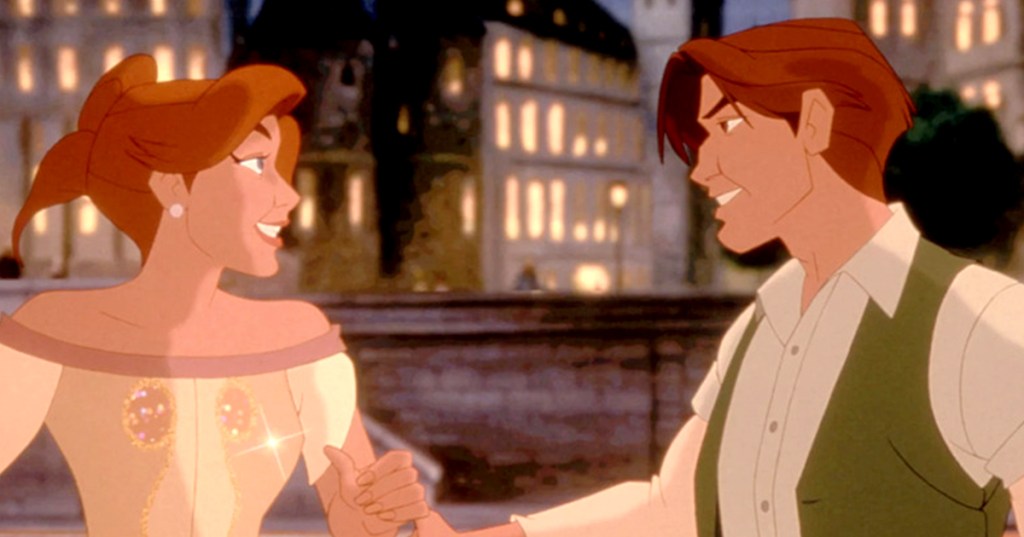
My Romanov origin story is practically a personality trait. My gateway drug? The animated masterpiece Anastasia. Seven-year-old me was out here believing Anastasia really survived, singing “Journey to the Past” with my whole chest (still do honestly) and crushing on Dimitri (that animated man was my first delusion, I swear). Then I grew up, picked up Anastasia: The Last Grand Duchess by Carolyn Meyer, and discovered the historical reality.
Guys…I was SHATTERED.
The whiplash from “princess who survives with a hot conman” to “oh no…history said absolutely not” was violent.
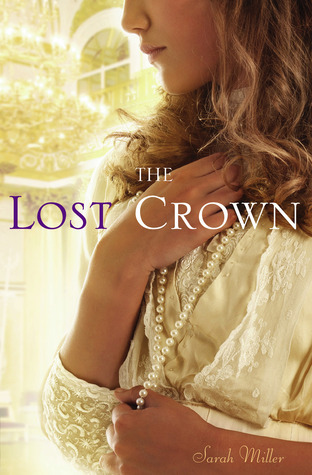
That devastation shoved me straight into my lifelong Romanov Era, which eventually led me to Sarah Miller’s The Lost Crown, a fictionalized but deeply researched dive into the lives of the four grand duchesses: Olga, Tatiana, Maria, and Anastasia. This is my reread, and oh baby…does it still hold up.
WHAT IT’S ABOUT
At its core, The Lost Crown is an intimate portrayal of the Romanov sisters during the final years of their lives. It traces their world as it shrinks: the war, the revolution, the collapse of the monarchy, the family’s exile, and the looming tragedy readers know is coming.
But Miller doesn’t make this a doom-fest. She paints their daily lives: their sister dynamic, their crushes, their inside jokes, their religious devotion, their boredom, their attempts to understand the chaos unfolding around them.
It’s not flashy. It’s not a spectacle. It’s a quiet unraveling of privilege, innocence, and identity as the empire crumbles.
THE FOUR PERSPECTIVES OF THE ROMANOV SISTERS
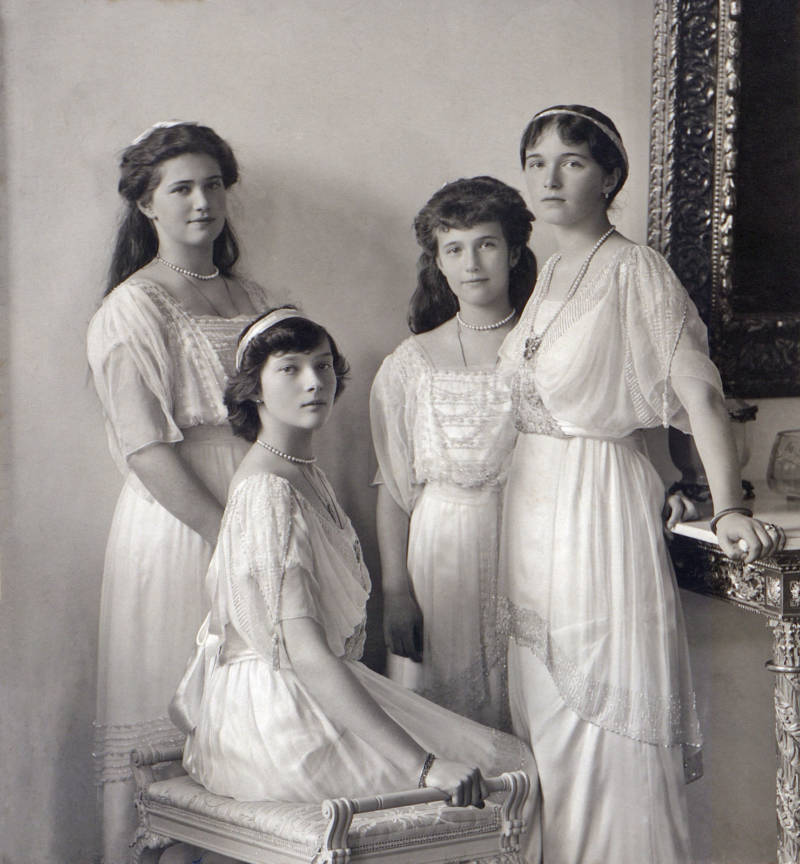
One thing Miller excels at is giving each sister her own voice, which is HARD because historically they were treated like a single unit: OTMA. This book says, “Actually, no, they’re individuals. Please respect their varied chaos.”
Olga
The responsible eldest daughter. Wry, introspective, quietly yearning. You feel the pressure of “eldest daughter syndrome” radiating off her.
Tatiana
The organized, elegant sister who runs the household. She’s poised, maternal, and surprisingly fierce.
Maria
A cinnamon roll. The soft romantic who just wants to fall in love. Her chapters made me want to wrap her in a blanket and keep her safe forever.
Anastasia
Chaotic goblin princess. Peak youngest-sister energy. She climbs things, pranks everyone, and even through the dark times, she still made everyone laugh.
Together, their voices weave a portrait of girlhood under pressure – royal life, duty, isolation, and the terrifying shift from privilege to imprisonment.
WHAT I LIKED
The Sister Dynamics Are Chef’s Kiss
Not flattened, not idealized -REAL. They bicker, tease, cling to each other, and rely on their shared humor as their world tightens around them.
The Atmosphere Is Immersive
You FEEL the shift from palace grandeur to quiet suffocation. It’s like watching wallpaper slowly peel.
The Historical Detail Is Immaculate
Miller’s research shows in every little habit, superstition, custom, and military update. Nothing feels invented; it all feels remembered.
The Emotional Pacing
The story never sensationalizes the tragedy, which somehow makes it even more devastating. It’s respectful, but honest.
WHAT I DIDN’T LIKE
Okay, so this is not a criticism so much as a personal emotional complaint:
It Hurts.
You already know how it ends which means…yeah. Emotional devastation is baked in. If you’re looking for an uplifting historical fiction novel, this ain’t it.
THE HISTORICAL ASPECT OF THE ROMANOVS
This is where Sarah Miller absolutely shines. She uses primary sources, letters, diaries, and firsthand accounts to build a portrait of the sisters that feels deeply researched but never clinical.
She doesn’t sugarcoat the political failings of Nicholas II, but she also doesn’t demonize the family. It shows naivety, isolation, devotion, and denial – all the contradictions that made the Romanovs both fascinating and doomed.
The historical ground also gives weight to the final chapters. You’re not just reading about the end of an empire – you’re reading about four girls who never had a chance to become women.
WHO SHOULD READ THIS/READ IF YOU LIKE…
This book is for:
- readers who love character-driven historical fiction
- people who grew up obsessed with Anastasia
- fans of epistolary or multi-POV narratives
- history nerds who want vibes and facts
- people who want a tender, respectful portrayal of OTMA
Read if you like:
- The Romanov Sisters by Helen Rappaport
- Anastasia: The Last Grand Duchess by Carolyn Meyer
- Anastasia and Her Sisters by Carolyn Meyer
FINAL THOUGHTS
Above everything else, The Lost Crown is a reminder that Olga, Tatiana, Maria, Anastasia, (and Alexei) were not just historical figures or tragic trivia answers, but real teenagers. Real siblings. Real children who loved, laughed, annoyed each other, dreamed, prayed, and hoped. They were caught in forces far bigger than themselves, and none of them deserved the cruelty that met them at the end.
 Stories, Sips, and Shenanigans
Leave a comment