Let me take you back.
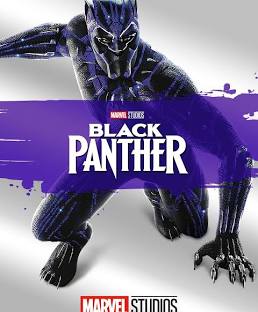
It’s 2018. I walked into that theater ready for a good time but NOT ready to have my soul rearranged. The lights dimmed, the Marvel intro did its little flip-book thing, and then BOOM – we were in Oakland, California, then in Wakanda, then screaming, cheering, crying, levitating.
This movie was more than a film – it was a moment. A cultural eruption. A declaration. A mirror. A celebration. A revolution in Dolby surround sound.
Let’s talk about the top 10 reasons Black Panther is peak Black excellence, and why it still gives me chills to this day.
1. The Cultural Impact Was Instant and Generational
The media landscape shifted. You could feel it.
Black folks weren’t just excited – we were celebrating. Dressing in African prints, crowns, beads, all types of diasporic drip. Entire families pulled up to theaters like it was a royal event. People bowed with the “Wakanda Forever” salute in grocery stores.
The film didn’t just entertain us – it validated us, uplifted us, gave us a place to imagine ourselves without the weight of trauma defining the narrative.
2. Ryan Coogler’s Direction Was Visionary
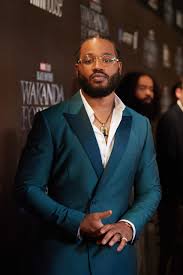
His direction was:
- thoughtful
- groundbreaking
- intimate
- epic
- reverent
- bold
Coogler created Wakanda with a tenderness and specificity that made it feel real, not fictional. Every choice – from set design to dialect – was crafted with respect.
This wasn’t just filmmaking.
This was worldbuilding on a spiritual level.
3. The Cast Was a Masterclass in “We Don’t Miss”
This lineup??? UNREAL.
A full Avengers-level cast but make it Afro-diasporic royalty.
Let’s break it down:
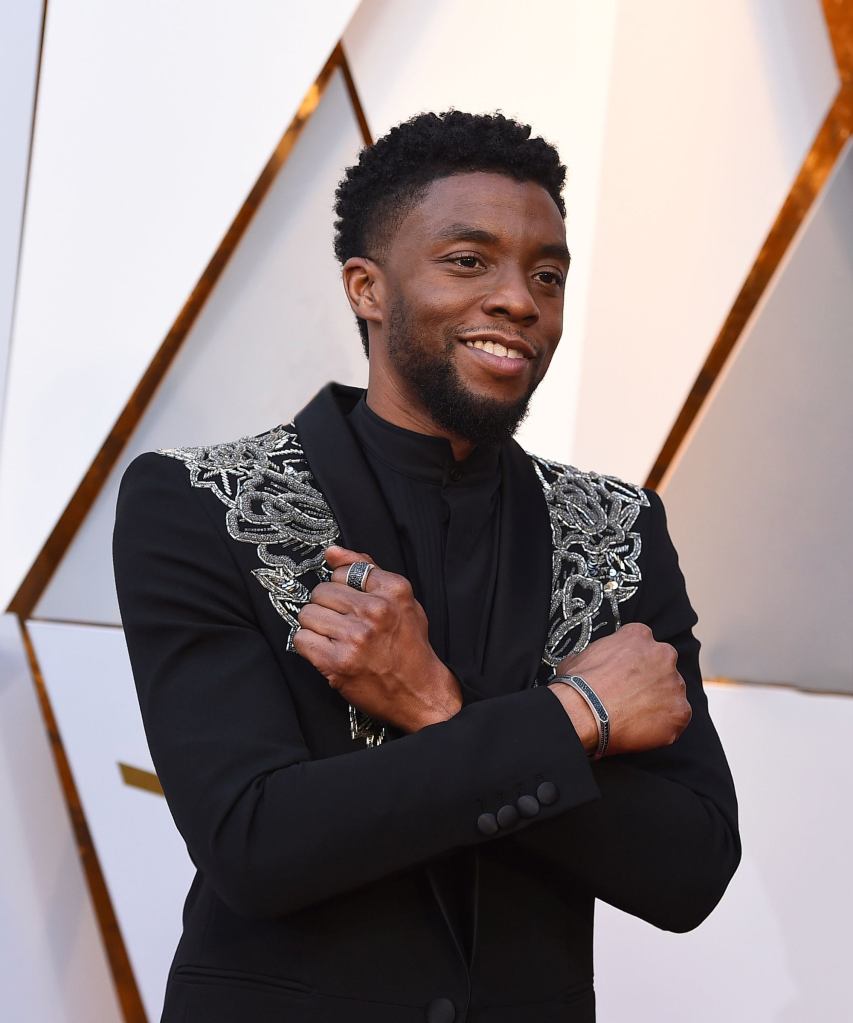
Chadwick Boseman as T’Challa
Chadwick didn’t just play a king. He became one. He infused T’Challa with humility, dignity, grace, and a quiet power that spoke louder than shouting ever could. His performance still feels like a blessing every time I watch it.
Rest in eternal power, king.
Angela Bassett as Queen Ramonda
Her presence alone added 12 years to my life. She had maybe 20 minutes of screen and STILL dominated the film with motherly strength, regality, and that VOICE. She’s amazing and it sickens me she still doesn’t have an Oscar.
Lupita Nyong’o as Nakia
A lover. A fighter. A humanitarian. Nakia wasn’t just T’Challa’s love interest – she was a visionary with her own mission, her own values, and the courage to challenge her king (and boyfriend).
Danai Gurira as Okoye
The general of my heart and of the Dora Milaje. Her loyalty is unmatched. Her comedic timing? Impeccable. Her fighting style? Lethal. Her wig-throwing scene?? Still HILARIOUS.
Letitia Wright as Shuri
Shuri was the vibrant, sarcastic, brilliant Gen Z tech princess of Wakanda. A STEM goddess.
Winston Duke as M’Baku
He came in barking at people and somehow became an instant fan favorite (including mine). A comedic treasure AND a powerhouse.
Michael B. Jordan as Killmonger
…Listen.
He had points.
He was wrong, but he was LOUD and CORRECT in many ways.
We’ll come back to him later.
Daniel Kaluuya as W’Kabi
The betrayal hurt because Kaluuya played it with such heartbreaking sincerity. You could see the conflict, the loyalty torn in half, and then finally his self-serving side.
Yeah, this cast didn’t just act.
They FED US.
4. The Plot Was Layered, Emotional, and Politically Sharp
This movie said, “What if we made a superhero film that tackles colonialism, diaspora trauma, resource hoarding, family legacy, isolationism vs. global responsibility, AND the ethics of power?”
And then it successfully wove all of that into a thrilling, accessible story.
It was:
- a generational conflict
- a political drama
- a meditation on grief
- a critique of global inequality
- a love story (multiple kinds!)
- a superhero narrative
It gave depth without ever feeling preachy. It entertained without sacrificing complexity.
5. Wakanda Itself Is Black Excellence Made Tangible
Wakanda felt like home and future all at once. A world untouched by colonialism. A place where Black excellence flourished freely. A society built on culture, tradition, STEM advancement, and balance.
It showed us what Blackness could look like unbroken, unbothered, and unapologetically thriving. Wakanda was wish fulfillment, healing balm, and just brilliance.
6. Killmonger: The Villain Who Wasn’t Entirely Wrong
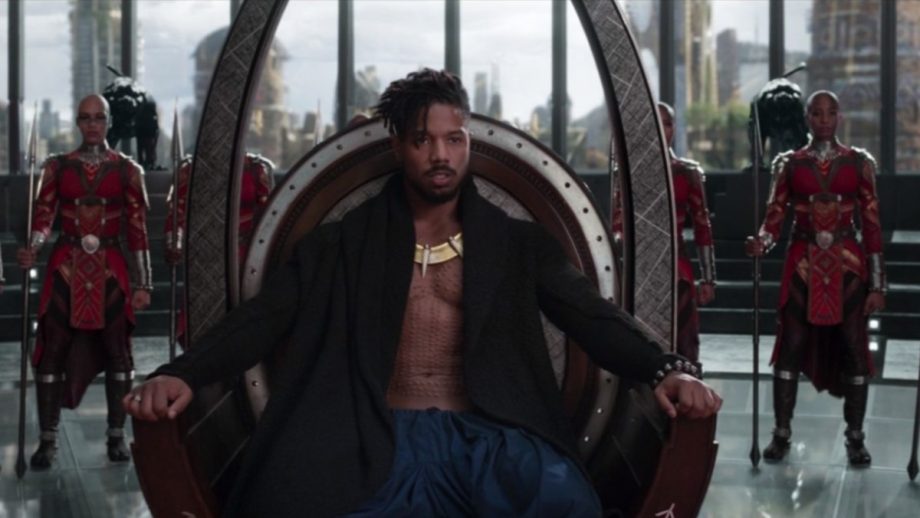
Ah yes.
Erik Killmonger.
Look, Killmonger was wrong in execution, but kind of RIGHT in theory:
- He saw global Black suffering
- He saw Wakanda’s privilege
- He questioned isolation vs responsibility
- He demanded change
His final line?
“Bury me in the ocean with my ancestors who jumped from ships, because they knew death was better than bondage.”
Just…damn.
7. The Women of Wakanda Literally Run the Country
Let’s be real: T’Challa may have been king, but the women really run Wakanda.
This is a society where:
- women run the government
- women run the military
- women run the tech
- women run the CULTURE
Black women weren’t side characters – they were the pillars of Wakanda. Period.
8. Costume Design That Deserves Its Own Museum
Ruth E. Carter did not design costumes. She definitely created art.
Her designs blended:
- Maasai influence
- Zulu aesthetics
- Ndebele neck rings
- Ankara prints
- Futuristic armor
- Braids, locs, natural textures
This movie was a love letter to African beauty – bold, regal, textured, rhythmic, vibrant.
The Dora Milaje???
Shuri’s tech suits???
Fashion scholars needed to analyze this film for DECADES.
9. The Cinematography and Visual Language of the Film
Every frame was a painting.
EVERY. SINGLE. FRAME.
From the waterfall battles to the throne room, from the ancestral planes dripping in violet blues to the glowing heart-shaped herb garden – the film used color, movement, and imagery to tell its own story.
You could pause literally anywhere and hang that moment on your wall.
10. It Opened the Door for More Black Speculative and Fantasy Films
Black Panther proved that:
- Black stories sell
- Black sci-fi works
- Black fantasy can be world-changing
- Black actors deserve blockbuster budgets
- The global audience actually wants MORE
This movie walked so future projects like The Woman King, Wakanda Forever, Jingle Jangle, and other Black speculative films could sprint.
We deserve worlds that let us imagine, invent, expand, and dream beyond survival narratives.
FINAL WORDS: Wakanda Forever, Always
Seeing this film in theaters was something holy. A cultural communion. Black joy echoed in surround sound. Black brilliance radiated off the screen. Black possibilities blossomed like a futuristic Eden.
Black Panther remains one of the most important films of my lifetime – and a reminder that Black excellence isn’t a moment.
It is a movement.
A legacy.
A world-building excercise.
A love language.
Wakanda Forever. Always. 🖤
 Stories, Sips, and Shenanigans
Leave a comment