There are two types of people in this world:
- People who understand that the 90s were elite.
- People who are wrong
I said what I said.
Growing up in the 90s and early 2000s felt like living inside a cultural renaissance wrapped in butterfly clips, Blockbuster Friday nights, and theme songs that still activate something in my brain like a sleeper agent.
It was a time when television wasn’t just entertainment. It was affirmation. It was possibility. It was community.
It was seeing yourself and thinking, Oh. I exist here, too.
And that matters more than people realize.
Why Representation in the 90s and Early 00s Ruled
The 90s gave us Black characters who were full, layered, hilarious, flawed, ambitious, and loved. Not just surviving. Living. Thriving. Existing outside of trauma narratives.
On TV, we had:
- The Fresh Prince of Bel-Air
- Family Matters
- A Different World
- Sister, Sister
- Moesha
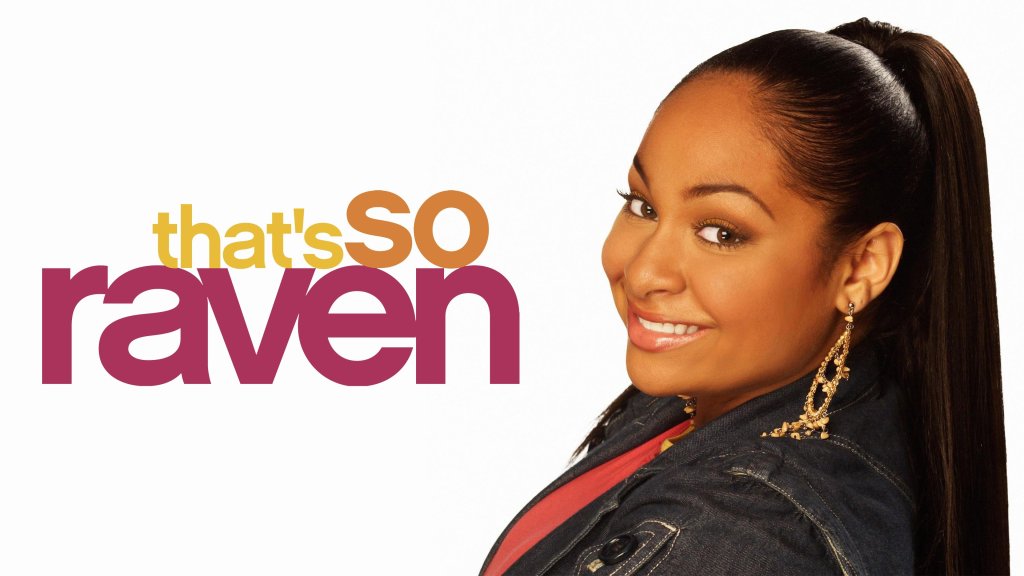
- That’s So Raven
- Reading Rainbow
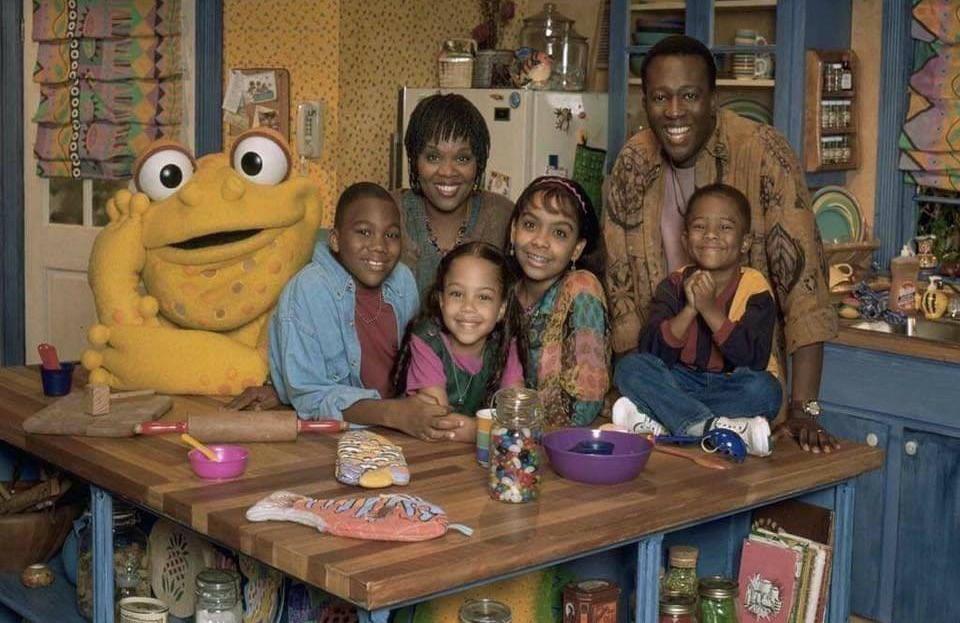
- Gullah Gullah Island
And that’s only what I just came up with on the spot. There’s so many more!
We weren’t hunting for crumbs of representation. It was there. Weekly. Syndicated. On multiple channels.
And here’s what makes that powerful:
We saw Black families who were wealthy.
We saw Black nerds.
We saw a Gullah family living in joy.
We saw HBCU culture celebrated.
We saw a Black man guiding millions of kids through literature.
We saw Black twins navigating girlhood.
We saw a Black girl double as a psychic and fashion icon.
We saw a Black girl on a mainstream sitcom as a serious love interest, not a punchline. (Angela from Boy Meets World)
The range? Unmatched.
Why Representation Is Important (And Always Will Be)
When a child sees themselves in media, something subtle but powerful happens.
They internalize possibility.
They learn:
I can be the lead.
I can be intelligent.
I can be wealthy.
I can be romantic.
I can be quirky.
I can be magical.
Representation doesn’t just entertain. It affirms.
It shapes self-esteem.
It expands imagination.
It combats invisibility.
When Black children see themselves reflected positively, consistently, and multidimensionally, it strengthens identity formation and confidence.
Positive representation says you’re part of the story.
Why “Black Boy Joy” and “Black Girl Magic” Are Radical
Joy has historically not been the dominant narrative assigned to Black people in media. It’s been either trauma, struggle, stereotypes, or a mix of those three.
So when we say “Black Boy Joy” or “Black Girl Magic,” we’re not just being cute.
We’re reclaiming narrative space.
The 90s and early 2000s gave us:
- Black kids laughing
- Black girls being stylish and brilliant
- Black boys being sensitive and goofy and loved
- Black students at elite schools
Black Girl Magic is radical because it celebrates brilliance without apology.
Black Boy Joy is radical because it affirms emotional expression and gentleness in a society that often denies both, especially when it comes to men.
These concepts push back against centuries of misrepresentation.
And the 90s?
The 90s planted seeds for that before we even had the hashtags.
Why I’m Grateful (And Why I’m Hopeful)
I’m grateful I grew up in an era where I didn’t have to search too hard to see myself.
I had Raven.
I had Angela from Boy Meets World.
I had Ashley and Hilary from Fresh Prince.
I had Whitley and Dwayne.
I had the Winslows.
I had LeVar Burton telling me to take a look in a book.
That shaped me.
It shaped my confidence.
It shaped my love of storytelling.
It shaped the kinds of stories I write now.
And now? We’re in another powerful era. Diverse publishing is expanding. Black fantasy heroines are saving kingdoms. Black girls are leading YA series. Black boys are centered in adventure stories. Streaming platforms are investing in diverse casts.
It’s not perfect. But it’s moving.
And somewhere right now, a little Black girl is watching a show where she’s the main character.
Somewhere, a Black boy is reading a book where he gets to be soft and brave.
That matters.
Representation is not decoration.
It’s foundation.
 Stories, Sips, and Shenanigans
Leave a comment